Common Mistakes That Make Ground Coffee Taste Flat
Words by Oliver Hart ·
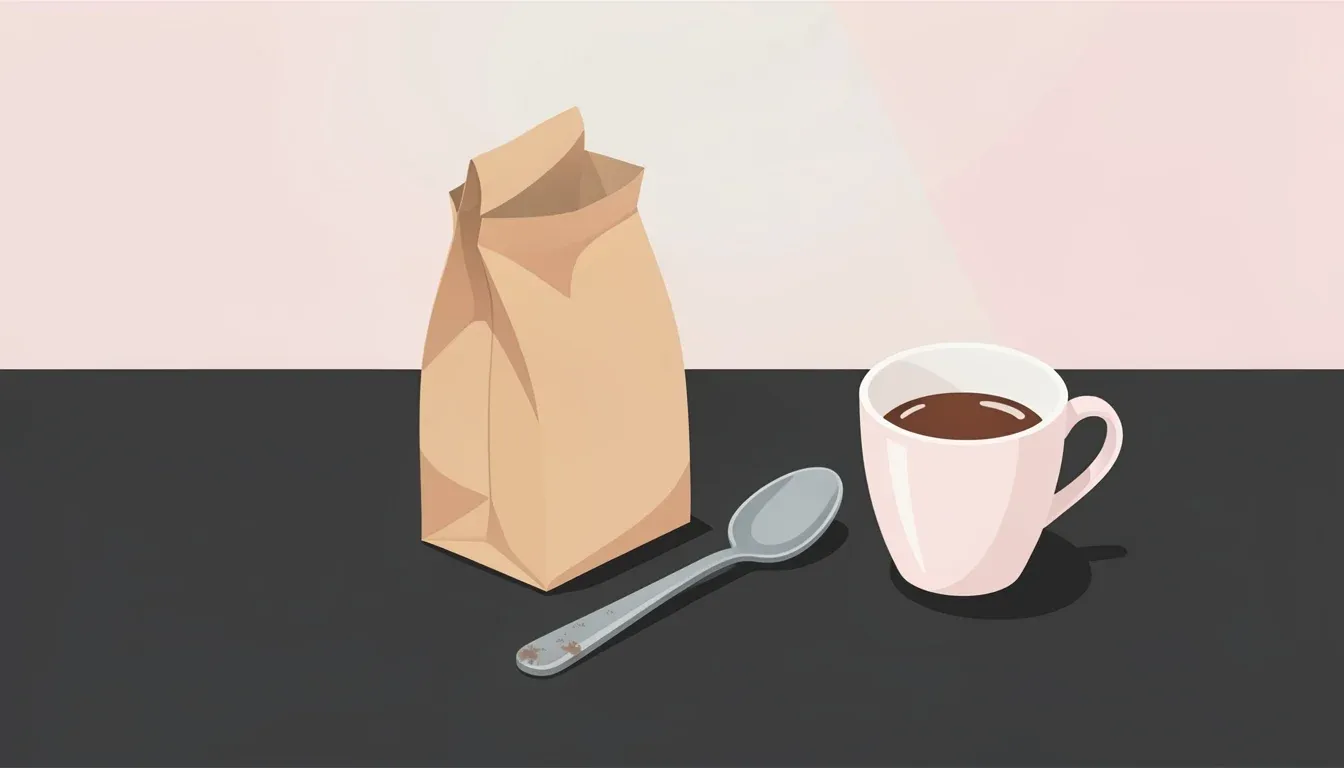
Buying ground coffee weeks before you need it
Ground coffee goes stale much faster than whole beans. Once the beans are cut open, the surface area that meets the air grows enormously, and the aromatic oils that give coffee its sweetness and body start to oxidise. A bag of pre-ground coffee bought for the cupboard can taste perfectly fine on the day you open it and noticeably dull three or four weeks later, even if nothing is wrong with the bag.
People buy ground coffee in larger amounts because it is convenient and often cheaper per gram, and because they assume that a sealed bag will protect the contents indefinitely. A sealed bag helps, but only until it is opened. Most of the damage happens after that.
Check the roast date on the bag rather than the best-before date, which is often a long way off and tells you little about flavour. Buy a size you can get through in a few weeks. Once opened, press the air out, fold the top over tightly or use a container with a proper seal, and keep it somewhere cool, dark and dry. A cupboard beside the cooker is a poor choice, because heat speeds up staling. The fridge and freezer are a more contentious subject. If you do freeze coffee, portion it so you only open one part at a time, and let it come to room temperature in its sealed bag before you open it, otherwise condensation will get into the grounds.
Grinding too early, or using the wrong grind size
Many people who buy whole beans grind them once and forget about it, storing the grounds in a jar for the rest of the week. Others grind the beans correctly but choose the wrong size for their brewer. Both problems leave the coffee tasting thin, sour or hollow.
Grind size controls how quickly water pulls flavour out of the coffee. Fine grounds have a lot of surface area, so the water extracts quickly and can over-extract bitterness. Coarse grounds let water run through without taking much flavour, which gives a weak, sour cup. A cafetière wants a coarse, sandy grind. A paper filter drip brewer does best with a medium grind, something close to table salt. Espresso needs something much finer, closer to icing sugar.
Blade grinders are a common cause of trouble. They chop rather than grind, so the particles come out in a mixture of dust and chunks. The dust over-extracts and tastes bitter, while the chunks under-extract and taste sour, and the result is a cup that tastes flat and muddled whatever you do with the water. If you can, use a burr grinder, which crushes the beans between two abrasive surfaces and gives a much more even size. If you only have a blade grinder, grind in short bursts, shake the container between them, and accept that the cup will be less consistent.
Pouring water that is boiling straight off the kettle
Water that has just boiled is generally too hot for most filter and French press methods. At that temperature it extracts the bitter compounds in coffee aggressively, and it can also scorch the grounds, which dulls the sweeter notes. The result often tastes harsh at the back of the mouth and flat at the front.
The fix is simple but requires a small pause. Let the kettle sit for a minute or so after it clicks off, or use a thermometer if you have one. Somewhere in the region just off the boil is usually a good target for filter coffee. Espresso machines have their own temperature settings, and it is worth checking the manual if your shots taste burnt.
Ratio matters too. Many people measure by eye, and a scoop that was the right amount for one cup can be far too little for a large mug. If the coffee tastes watery and weak, add more grounds before you change anything else. Weigh your coffee if you can, because a cheap digital scale makes it much easier to repeat a good brew.
Leaving coffee to sit, and ignoring dirty equipment
Brewed coffee does not keep. Once it is made, it begins to change, and it changes faster when it sits on a warming plate. Heat keeps the liquid cooking, which concentrates the bitterness and gives it a burnt, papery taste. An hour on a hotplate can ruin a cup that was good when it came out of the machine.
Equipment is the other problem people overlook. Coffee oils build up on filter baskets, carafes, press plungers and grinder burrs, and they go rancid over time. A carafe that looks clean can still carry a sour, stale smell into every fresh pot. Rinse equipment after each use, wash removable parts with warm water and a little washing-up liquid, and rinse them well. Grinders need brushing out regularly, and the burrs can be cleaned with a grinder cleaning tablet or a dry brush according to the maker's instructions.
If you cannot drink a cup within a few minutes, pour it into a thermos or an insulated flask that keeps it hot without a heat source underneath. Then, when the cup tastes flat, you will know it is the coffee and not the method that needs attention.
If you want to read further: Coffee roasting and Coffee.