Espresso or Moka Pot: Which Suits a Busy Morning
Words by Oliver Hart ·
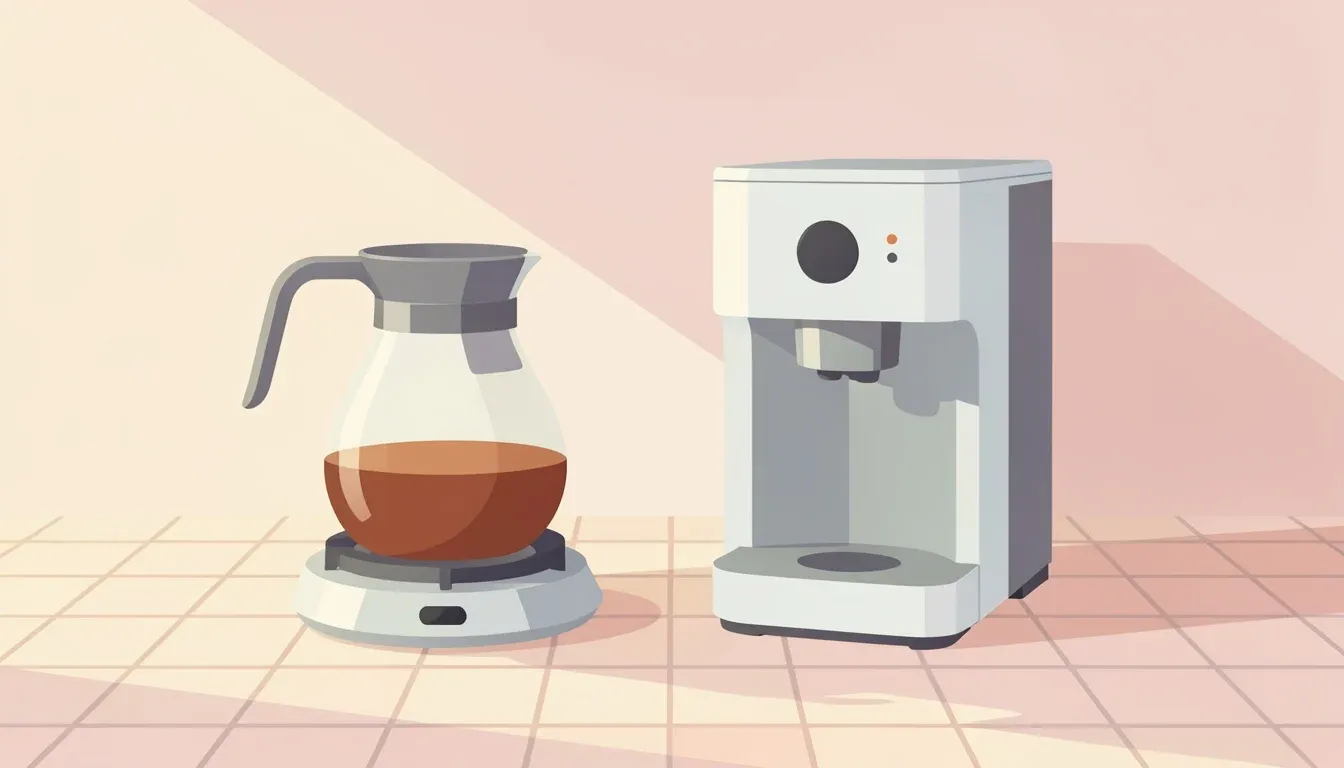
How the two methods actually differ
A moka pot and an espresso machine both push hot water through a bed of finely ground coffee, and both produce a concentrated drink. That is about where the similarity ends. An espresso machine uses a pump to force water through the coffee at roughly nine bars of pressure, which is the usual target for espresso. A moka pot relies on steam pressure built in a lower chamber. It is typically somewhere between one and two bars, so the water is pushed up through the grounds rather than forced through them.
The difference shows in the cup. Espresso comes out thick, with a layer of crema on top and a sharp, syrupy body. A moka pot gives you something closer to strong, dark coffee with a heavier, sometimes metallic edge. Neither is wrong, but they are not interchangeable if you are picky about the drink you want at seven in the morning.
The equipment also differs in what it asks of you. A moka pot is a three-part aluminium or stainless steel vessel with a filter basket, and it costs little. An espresso setup needs a machine and, in practice, a decent grinder. Pre-ground coffee is too coarse or too stale for a good shot, so if you are going this route, budget for the grinder as well as the machine.
Where the espresso machine works better
An espresso machine suits anyone who drinks milk coffee and wants it to taste right. A flat white or cappuccino depends on a concentrated base that stands up to milk. The moka pot's output can be used in milk drinks, and plenty of people do it, but the result is looser and less defined. If your morning ritual is a latte, the machine is the better tool.
It also gives you more control. Grind size, dose, and extraction time all change the shot, and adjusting them is part of the appeal for some people. A typical double shot uses around 18 grams of coffee and should take roughly 25 to 30 seconds to pull. If it runs in five seconds, the grind is too coarse; if it trickles for a minute, it is too fine. Once you have a routine, the process becomes quick and repeatable.
The trade-off is time. Many machines need a warm-up, and a shot is only part of the job. You will want to purge the group head, tamp evenly, pull the shot, steam milk if you are making a milk drink, and then clean the portafilter. On a rushed morning, that sequence is easy to get wrong, and a bad shot is worse than a good moka pot brew.
Where the moka pot works better
The moka pot is the more forgiving choice for a busy kitchen. Fill the bottom chamber to just below the safety valve, add the grounds to the filter basket without tamping, screw the top on, and set it over a medium heat. Once you hear it begin to gurgle and the top chamber fills, take it off the heat. The whole process usually takes about five minutes, and you need nothing more than the pot and a stove.
It makes several cups at once, which matters if more than one person wants coffee before leaving the house. A typical three-cup pot will fill two mugs with room to spare, and the coffee holds its heat better in a pot than a single espresso shot does in a cup.
The moka pot has its own pitfalls. Overheating is the main one. If the flame is too high, the coffee comes out scorched and bitter, and the pot can gurgle loudly and spit. Use a moderate heat and lift the pot off as soon as the flow changes from a steady stream to a sputter. The grind also matters: it should be finer than drip coffee but coarser than espresso. Too fine and the grounds clog the flow; too coarse and the coffee tastes weak and watery.
Choosing by morning situation
The right machine depends less on the coffee itself than on how your mornings run. These guidelines cover most situations:
- You drink one milk coffee and have a few spare minutes: an espresso machine, provided you already own a grinder or are willing to buy one.
- You make coffee for two or more people before work: a moka pot, since one batch covers everyone.
- You want black coffee and the least fuss: a moka pot, with fresh grounds and careful heat.
- You enjoy the process and will practise shots most days: an espresso machine, because the results improve with repetition.
- You have only a stovetop and a tight budget: a moka pot, which needs nothing else to start.
Choose the espresso machine if your priority is the drink itself, especially milk-based drinks, and you do not mind a longer routine. Choose the moka pot if you want a strong cup quickly, need to make more than one serving, or prefer a simpler setup with fewer parts to clean.